Article: Fragrance Layering Guide: How to Create a Unique Scent
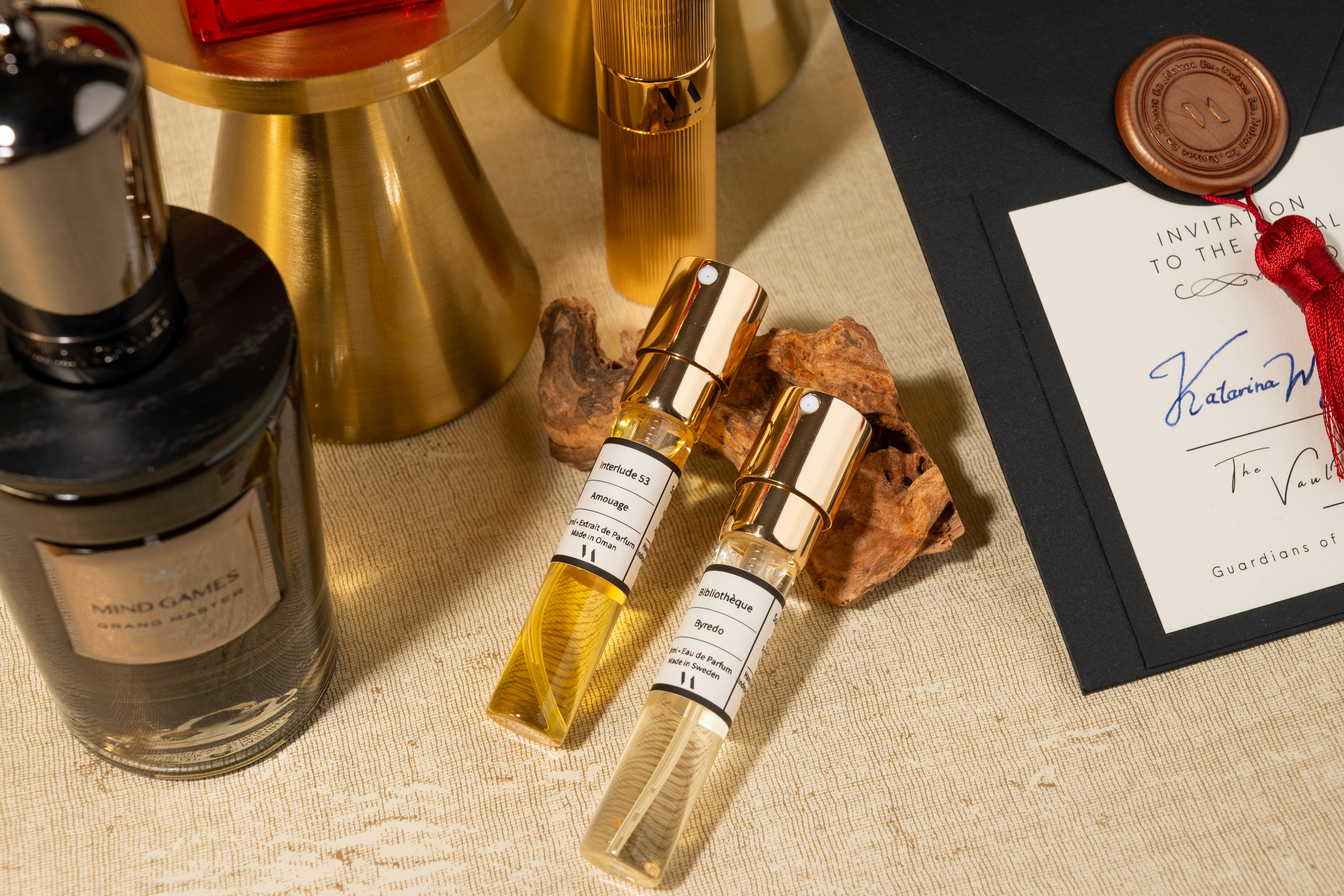
Fragrance Layering Guide: How to Create a Unique Scent
Fragrance Layering Guide: How to Create a Unique Scent
Wearing a great fragrance is one thing. Creating your own scent is another.
Fragrance layering allows you to combine different perfumes to build something unique, personal, and completely yours. Instead of relying on one scent, you create a signature that evolves with you.
When done right, layering transforms fragrance from a product into an experience.
What Is Fragrance Layering?
Fragrance layering is the art of combining two or more scents to create a new composition.
Each fragrance brings its own structure, notes, and character. When layered together, they interact to produce something different from either scent alone.
This can make a fragrance feel deeper, smoother, fresher, or more complex depending on how you combine them.
Why Layering Works
Every perfume is built in layers—top notes, heart notes, and base notes. When you combine fragrances, you are essentially building a new structure using multiple compositions.
Layering works because certain notes naturally complement each other. Woods can add depth to fresh scents. Sweet notes can soften sharp ones. Musks can blend everything together seamlessly.
It allows you to customize your scent instead of being limited to what comes in a bottle.
The Benefits of Layering
- Create a scent that is completely unique to you
- Add depth or freshness to an existing fragrance
- Adjust a scent to different occasions
- Make lighter fragrances last longer
- Stand out without needing rare or expensive bottles
Layering gives you control over how your fragrance performs and how it is perceived.
Basic Rules of Fragrance Layering
While layering is creative, there are a few simple rules that help you get better results:
- Start with two fragrances, not more
- Apply the heavier scent first, lighter scent after
- Stay within similar scent families in the beginning
- Do not overspray—layering increases projection
- Test combinations before wearing them out
Once you understand the basics, you can start experimenting more freely.
Best Fragrance Combinations to Try
If you are just starting, these combinations are easy and effective:
- Fresh + Woody: adds structure and depth to clean scents
- Sweet + Spicy: creates warmth and richness
- Amber + Floral: balances softness with intensity
- Citrus + Musk: clean, modern, and long-lasting
- Vanilla + Oud: smooth, addictive, and bold
These pairings work because the notes naturally enhance each other rather than compete.
Common Layering Mistakes to Avoid
Layering can go wrong if not done carefully. The most common mistakes include:
- Combining too many strong fragrances
- Mixing completely conflicting scent profiles
- Overapplying both fragrances
- Not allowing time for the scent to develop
If the combination feels overwhelming or confusing, simplify it. Less is often more.
How to Build Your Own Signature Blend
Start by choosing one fragrance as your base. This is the scent that defines the direction of your combination.
Then add a second fragrance that enhances or contrasts it slightly. For example, you can take a fresh scent and add a warm base, or take a strong scent and soften it with something lighter.
Test the combination on your skin and let it evolve. Pay attention to how it changes over time.
Over time, you will start recognizing combinations that feel natural to you. That is where your personal blend begins to form.
Why Layering Works Better With Smaller Formats
Layering requires variety. If you only own one or two full bottles, your options are limited.
Using smaller formats allows you to experiment with multiple scents without overcommitting. You can try combinations, refine your preferences, and build a rotation that actually works.
This makes layering more practical and more accessible.